The Breath as a Foundation
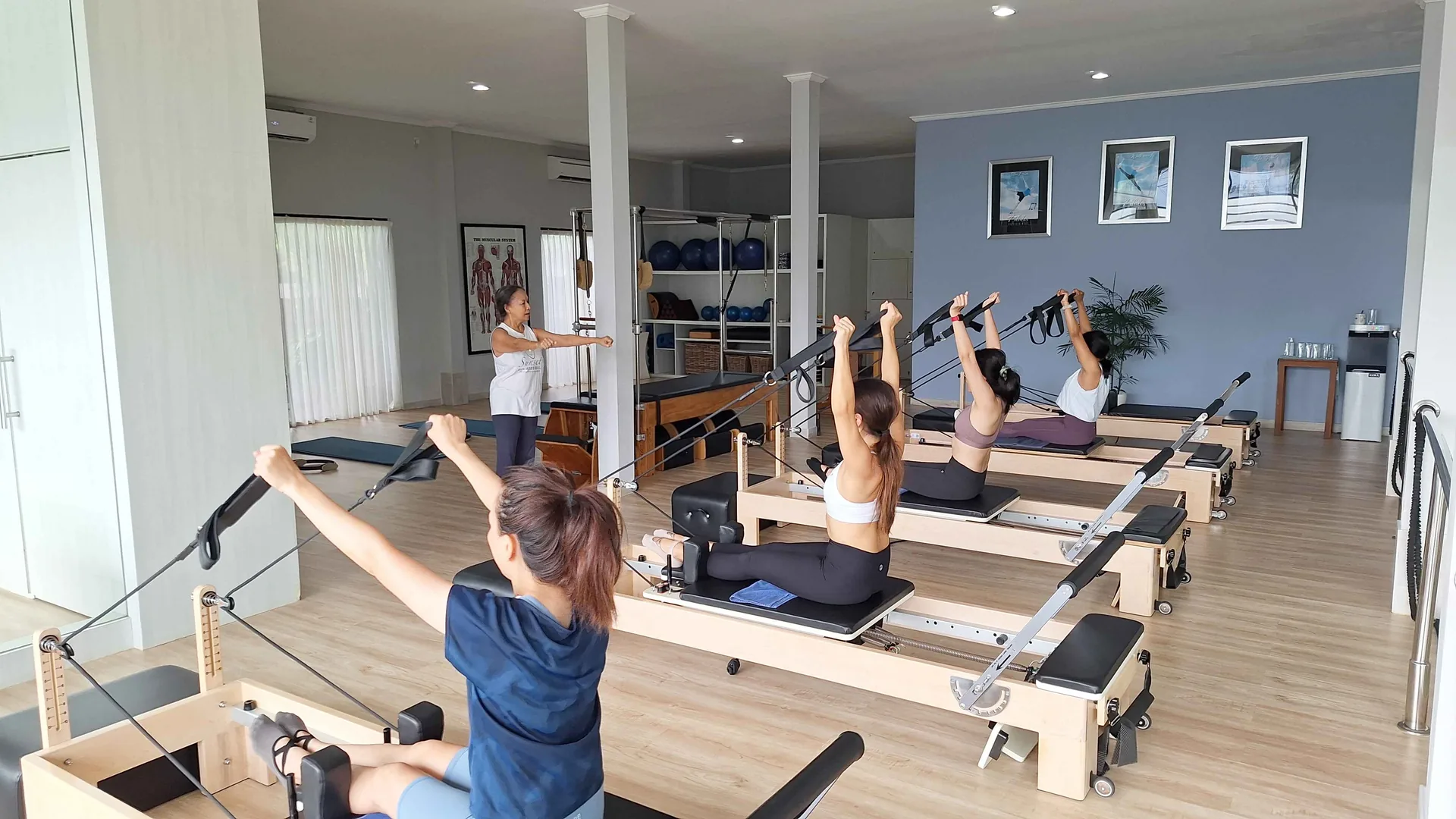
In the Classical Pilates repertoire, breath is neither incidental nor secondary. Joseph Pilates famously referred to breathing as 'the first act of life and the last,' asserting that above all else, we must learn how to breathe correctly.
In contemporary movement biomechanics, we understand the diaphragm as both the primary muscle of respiration and an essential stabilizer of the core canister. When we cue lateral thoracic breathing—expanding the lower ribs outward and backward into the mat—we accomplish three vital physiological tasks simultaneously.
First, lateral breathing preserves anterior abdominal tension without pushing out against the abdominal wall. This allows the deep transverse abdominis (TVA) and pelvic floor to maintain support for the lumbar spine during demanding loaded movements like The Hundred or Double Leg Stretch.
Second, full three-dimensional rib expansion restores thoracic mobility. Modern sedentary postures often lock the upper back into rigid kyphosis with shallow apical breathing. Re-educating the ribcage mobilizes the costovertebral joints, alleviating neck and shoulder tension.
Third, conscious diaphragmatic excursion stimulates the vagus nerve, down-regulating the sympathetic fight-or-flight response and bringing the student into parasympathetic focus. When a student learns to breathe with ease, tension vanishes, and effortless movement flows.
Lead Educator, Immersive Teacher Training at Sunset Pilates Academy Bali. Committed to preserving the classical depth of Pilates while integrating modern biomechanics.
Deepen Your Movement Understanding in Bali
Experience these principles firsthand in our Legian training studio through our Immersive 4-Week or Comprehensive 6-Month certifications.